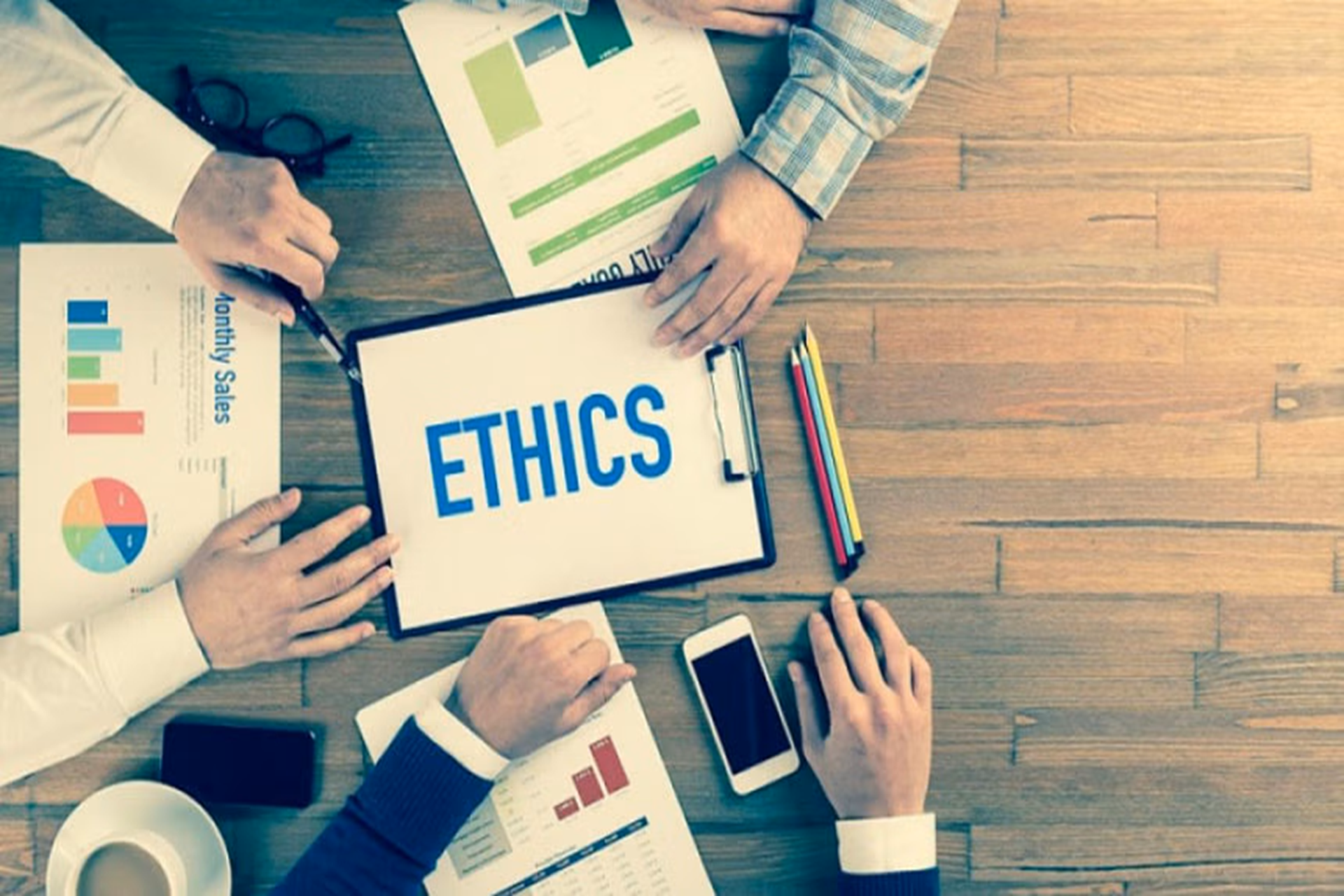
Moral defalcation is a term that refers to the failure of individuals or groups to adhere to ethical or moral standards. It signifies a deviation from the basic principles of right and wrong, resulting in actions that undermine the moral fabric of society. While defalcation is often associated with financial wrongdoing, moral defalcation extends beyond monetary issues, affecting personal, social, and cultural values. In Bangladesh, as in many other societies, moral defalcation has emerged as a significant problem, with far-reaching consequences. Understanding its causes and consequences is essential for addressing its impact and fostering a more ethical society.
Several factors contribute to the prevalence of moral defalcation in society. These factors range from individual psychological influences to systemic issues embedded in social, cultural, and political structures. Below are some of the primary reasons for moral defalcation:
In many societies, including Bangladesh, traditional values have historically played a central role in shaping behavior and moral conduct. However, with rapid globalization, modernization, and urbanization, these traditional values have been weakened or replaced by more individualistic and materialistic tendencies. As younger generations embrace new influences from the West and other cultures, they may become less guided by traditional moral teachings.
The push for material success, often linked to economic growth, has overshadowed the importance of ethics, honesty, and integrity. The focus on personal success and wealth accumulation can sometimes promote unethical behavior, such as corruption or dishonesty, as shortcuts to achieving goals.
The family is traditionally seen as the cornerstone of moral and ethical development in many cultures. In Bangladesh, as elsewhere, family breakdowns—due to divorce, domestic violence, or shifting social norms—can lead to a weakening of moral values. Children raised in environments lacking strong moral guidance are more susceptible to engaging in immoral behavior.
In such cases, young people may lack the necessary moral role models to guide their behavior. If they do not see honesty, compassion, and responsibility being demonstrated at home, they are less likely to internalize these values as adults.
In Bangladesh, the pervasive political instability and corruption in various sectors can contribute to moral defalcation on a broader scale. When individuals in positions of power engage in unethical practices, such as bribery, embezzlement, or misuse of public funds, it sets a bad precedent for society at large.
If politicians, bureaucrats, or business leaders regularly engage in unethical conduct without facing consequences, this behavior is often normalized in the eyes of the public. It creates a vicious cycle in which individuals feel justified in engaging in moral defalcation themselves, believing that such actions are commonplace and even necessary for success.
Economic disparity is another contributing factor to moral defalcation. In societies where wealth is concentrated in the hands of a few, while the majority struggle with poverty, there is often a sense of injustice that leads some individuals to act unethically.
Those living in poverty may feel pressured to resort to unethical means to meet their needs, rationalizing their actions by justifying the unequal distribution of wealth. For example, some may engage in bribery, theft, or fraud as a way to bridge the economic gap.
In societies where the legal system is weak or there is a lack of effective law enforcement, individuals may feel they can engage in unethical behavior without fear of repercussions. The failure to hold individuals accountable for their actions often leads to widespread moral defalcation.
When criminals, regardless of their social status, evade punishment due to legal loopholes or corruption within the justice system, it fosters a culture of impunity, encouraging further moral defalcation in society.
The media and digital platforms, particularly social media, have a profound impact on shaping societal values. In recent years, media content has increasingly prioritized sensationalism, materialism, and the glorification of unethical behavior, which can contribute to moral defalcation.
Celebrities, politicians, and business figures who engage in unethical behavior are often celebrated and revered in the media. This can send the message that success is more important than integrity, thereby encouraging others to follow suit.
The consequences of moral defalcation are profound and far-reaching, affecting individuals, families, communities, and entire nations. The erosion of moral standards can lead to various negative outcomes, including:
One of the most significant consequences of moral defalcation is the erosion of social trust. In a society where individuals cannot trust each other, social cohesion is weakened, and cooperation becomes increasingly difficult. This lack of trust can hinder community development, business ventures, and governance.
When people engage in unethical behavior without facing consequences, it creates an environment where mutual trust is in short supply. As a result, individuals may be less likely to collaborate, form partnerships, or help others, further fragmenting society.
The prevalence of moral defalcation can lead to the weakening of legal and institutional systems. If corruption, dishonesty, and unethical behavior become ingrained in society, government institutions and legal frameworks lose their credibility. As a result, citizens lose faith in the justice system, and political instability may ensue.
The lack of trust in institutions discourages both foreign and domestic investments, hindering economic growth and development. A non-transparent government and judiciary further impede long-term progress by creating a culture of impunity.
Moral defalcation can also exacerbate existing economic inequalities. When individuals engage in unethical practices, such as tax evasion, bribery, and fraud, they accumulate wealth unfairly, while those who play by the rules remain disadvantaged. This perpetuates cycles of poverty and social injustice.
The unequal distribution of resources results in greater disparities between the rich and poor. As the wealthy continue to exploit their power and influence, the marginalized are pushed further into poverty and disenfranchisement.
On a more individual level, moral defalcation can lead to a decline in personal integrity. When unethical behavior becomes widespread, it becomes difficult for individuals to maintain their personal moral standards. Self-esteem, conscience, and sense of duty are often eroded, leading to a vicious cycle of corruption and misconduct.
The normalization of unethical behavior may result in the acceptance of corruption, dishonesty, and greed as inevitable or even necessary in life. Over time, this contributes to a deeper moral decay, both at the individual and societal levels.
A society that tolerates moral defalcation loses its sense of collective national identity and values. In a culture where moral standards are compromised, patriotism and a sense of shared responsibility weaken, and the nation’s progress becomes fragmented. Without shared ethical principles, the future of a nation becomes uncertain.
The erosion of moral values leads to the dilution of cultural traditions and national pride. Communities lose their sense of belonging, and younger generations may struggle to identify with the ideals that once shaped the nation.
Moral defalcation represents a profound societal issue that goes beyond mere individual wrongdoing; it impacts the core of social trust, economic prosperity, and cultural identity. The causes of moral defalcation are complex, ranging from individual choices to structural problems within society. However, its consequences are undeniable and far-reaching, affecting not only the present but also the future trajectory of the nation.
To combat moral defalcation, it is essential to promote strong ethical values, accountability, and transparency at all levels of society. Governments, institutions, families, and individuals must work together to restore moral integrity and build a foundation for a more just, equitable, and prosperous future. Only by addressing these issues head-on can we hope to reverse the tide of moral defalcation and ensure a brighter future for all.